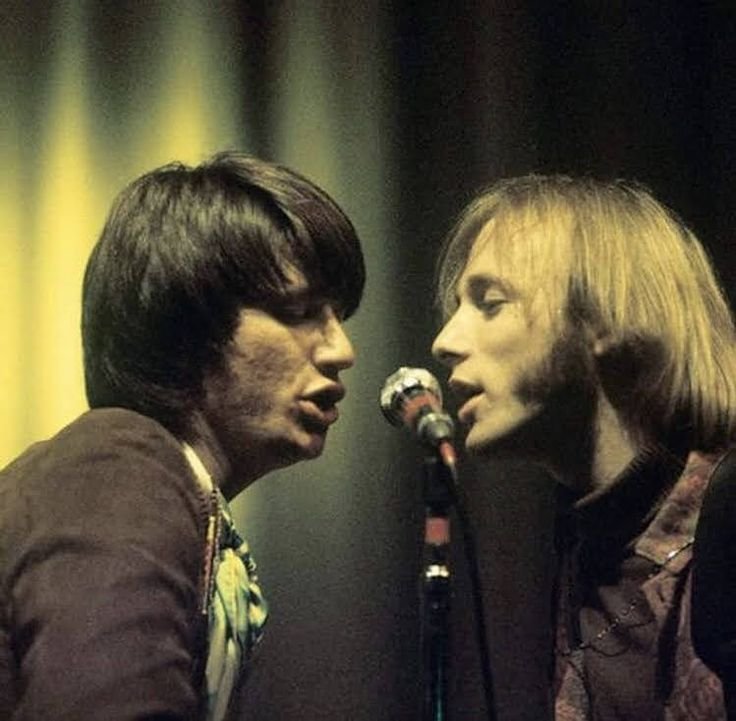
The year is 1966. Los Angeles traffic snarls, and a chance encounter ignites a fuse that would scorch a trail across music history. What emerged was Buffalo Springfield, a band whose meteoric rise and equally swift fall left an indelible mark on the soundscape of the late 1960s. At its heart, fueling much of its initial fire and shaping its lasting legacy, was the profound and innovative Stephen Stills' songwriting, a force that defined much of Buffalo Springfield's influence and continues to resonate today.
This wasn't just another rock band; it was a crucible for some of the era's most formidable talents, a melting pot of folk, country, rock, and psychedelia, all underpinned by Stills' distinctive lyrical craft and musical vision.
At a Glance: Buffalo Springfield & Stephen Stills' Impact
- Brief Brilliance: Buffalo Springfield existed for only two years (1966-1968) but released three influential albums.
- Genre Blenders: They pioneered a unique blend of folk, country, rock, and psychedelic elements, shaping the nascent folk-rock genre.
- The Anthem Maker: Stephen Stills penned "For What It's Worth," an iconic protest song that became a Top 10 hit and a counterculture touchstone.
- Lyrical Depth: Stills' songwriting was characterized by keen observation, poetic imagery, and an ability to capture the zeitgeist of a turbulent era.
- Multi-Instrumentalist Master: Beyond writing, Stills contributed significantly with his guitar, keyboard, and vocal talents, crafting complex arrangements.
- Launchpad for Legends: The band was a proving ground for future stars: Stills (Crosby, Stills & Nash), Neil Young (solo career, CSNY), and Richie Furay (Poco).
- Enduring Legacy: Inducted into the Rock and Roll Hall of Fame, their music—especially Stills' contributions—continues to be celebrated and covered, highlighting their timeless relevance.
The Accidental Genesis of a Legend
Imagine Los Angeles, 1966. The air thrummed with possibility, and the Sunset Strip was a vibrant hub of burgeoning musical talent. It was here, amidst a traffic jam, that a fateful collision occurred: Stephen Stills and Richie Furay, both aspiring musicians, met Neil Young and Bruce Palmer, who were traveling in a hearse. The serendipity was palpable. Add drummer Dewey Martin to the mix, and Buffalo Springfield was born.
Their debut at The Troubadour in April 1966 showcased a band already bristling with talent and a distinctive sound. They weren't merely playing folk or rock; they were weaving intricate tapestries of acoustic introspection with electric urgency, infused with country harmonies and a hint of psychedelic experimentation. This innovative blend quickly caught the ear of Atlantic Records, leading to their signing and the release of their debut single, "Nowadays Clancy Can't Even Sing." But it was a song born from the city's unrest that would truly catapult them into the national consciousness.
The Anthem That Defined a Generation: "For What It's Worth"
In 1966, a clash between young people and authorities over a 10 p.m. curfew and club closures erupted into what became known as the Sunset Strip Riots. Observing the escalating tension and the palpable sense of unease, Stephen Stills channeled the moment's raw emotion into a song. The result, "For What It's Worth," wasn't just a hit; it became an enduring anthem for a generation in turmoil.
Stills' lyrical genius lay in his ability to articulate complex feelings without being overtly preachy. Lines like "There’s something happening here / What it is ain’t exactly clear" perfectly captured the pervasive uncertainty of the era, from the immediate frustrations of the riots to the looming shadow of the Vietnam War. The song's genius was its universal message of awareness, quiet resistance, and the observation of societal shifts. It wasn't just about Los Angeles; it spoke to every young person questioning authority and seeking understanding.
Musically, Stills crafted a masterpiece of atmospheric tension. The iconic, ominous guitar riff, inspired by his love for folk and blues melodies, immediately sets a mood of foreboding yet watchful calm. The haunting melody and sparse instrumentation allowed the lyrics to truly shine, burrowing into the collective consciousness. It climbed to #7 on the Billboard Hot 100 in 1967, becoming Buffalo Springfield's most successful single and a powerful rallying cry for the anti-war movement.
The song's cultural footprint extended far beyond the charts. It was inducted into the Grammy Hall of Fame and recognized by Rolling Stone as one of the "500 Greatest Songs of All Time." Its evocative power ensures its continued relevance, appearing in films like Forrest Gump and countless documentaries, and covered by artists across genres, from Public Enemy to countless folk and rock acts. It remains a testament to Stills' unparalleled ability to distill complex societal moments into timeless art. If you want to dive deeper into the lyrical intricacies that made this song a classic, you can Explore For What Its Worth song lyrics.
Stephen Stills' Songwriting Genius: Beyond the Protest
While "For What It's Worth" remains his most famous contribution to Buffalo Springfield, Stephen Stills' songwriting prowess was evident across their entire catalog. His signature style was a rich mosaic of influences:
- Melodic Complexity with Folk Roots: Stills had an uncanny knack for crafting memorable, yet often intricate, melodies that drew heavily from folk and blues traditions. Listen to the winding paths of "Bluebird," a showcase for his improvisational guitar work and a soaring, multi-part melody that feels both natural and sophisticated.
- Lyrical Precision and Poetic Imagery: Beyond protest, Stills' lyrics explored personal introspection, relationships, and broader human experiences. He could be wry, tender, or urgent, always with an economy of words that made each line count. His ability to observe and articulate the subtle nuances of human emotion was a hallmark.
- Harmonic Brilliance: A master of vocal harmonies, Stills’ arrangements for Buffalo Springfield, often featuring his own soaring tenor, were a key part of their signature sound. He understood how voices could intertwine to create a richer, more emotionally resonant experience.
- Instrumental Versatility: Stills wasn't just a songwriter; he was a powerhouse musician. His contributions on guitar (both acoustic and electric), keyboards, and bass often laid the groundwork for the band's arrangements. He had a distinct guitar style that blended blues, country, and rock, making his playing instantly recognizable. His instrumental breaks in songs like "Bluebird" were not just solos but integral parts of the song's narrative.
- Genre Synthesis: Stills was a natural genre bender. He effortlessly merged country licks with rock swagger, folk storytelling with psychedelic flourishes. This fusion was critical to defining the folk-rock sound and pushing it into new, uncharted territories. His songwriting gave Buffalo Springfield its dynamic range, moving from acoustic tenderness to full-throttle rock anthems with ease.
Beyond the Hit: Buffalo Springfield's Sonic Tapestry
Buffalo Springfield's short discography, while dominated by the shadow of "For What It's Worth," reveals a band constantly evolving and pushing boundaries, with Stills as a central architect of their sound.
Their self-titled debut album (initially released in late 1966, then re-released with the inclusion of "For What It's Worth" in 1967) introduced their unique blend to the world. It was raw, energetic, and showcased the formidable talents of all five members.
Their second album, Buffalo Springfield Again (1967), marked a significant leap in complexity and ambition. This is where the band truly leaned into psychedelic textures and more elaborate arrangements. While Neil Young contributed timeless pieces like "Mr. Soul" and Richie Furay offered tracks like "A Child's Claim to Fame," Stills' "Bluebird" stands out as a sprawling, multi-part epic that showcased the band's instrumental prowess and harmonic sophistication. It solidified their status as more than just a singles band, proving they could craft cohesive, experimental album experiences.
Their final studio album, Last Time Around (1968), was compiled by Richie Furay and Jim Messina after the band had officially disbanded. Despite being a posthumous collection of individual efforts, it still contained gems like Neil Young's "I Am a Child" and Furay's "Kind Woman." Stills' contributions, though often overshadowed by the internal strife, were still vital in retrospect, illustrating the high bar of talent present even as the group fragmented. The very nature of this final album, a collection of disparate but brilliant tracks, underscored the individual genius that was bursting at the seams of Buffalo Springfield.
The Unraveling: A Brief, Brilliant Burn
Buffalo Springfield’s existence was as brief as it was brilliant, plagued by the very intensity that fueled its creative output. Internal conflicts, primarily between the two dominant songwriters, Stills and Young, were legendary. Their creative visions, though often complementary, could also be fiercely competitive, leading to friction that ultimately proved unsustainable.
Lineup changes were frequent, most notably the deportation of bassist Bruce Palmer due to drug-related issues, leading to Jim Messina stepping in. These external pressures, combined with the volatile internal dynamics, meant the band often felt on the verge of splintering.
In May 1968, after just two years, Buffalo Springfield officially broke up following a final concert. Yet, this brevity, far from diminishing their impact, arguably enhanced their legend. They burned brightly, leaving a concentrated burst of influential music before fading, preserving their image as a band of pure, raw talent that couldn't be contained.
The Phoenix Effect: Sprouting New Legends
The true testament to Buffalo Springfield’s profound influence lies not just in their own discography, but in the towering careers that blossomed from its ashes. The band served as an unparalleled launching pad for its members, proving the crucible of their brief collaboration had forged future legends:
- Stephen Stills and Crosby, Stills & Nash (CSN): Almost immediately after Buffalo Springfield's demise, Stephen Stills joined forces with David Crosby (from The Byrds) and Graham Nash (from The Hollies) to form Crosby, Stills & Nash. This supergroup, often augmented by Neil Young to become Crosby, Stills, Nash & Young (CSNY), became one of the most iconic and successful acts of the late 60s and 70s. Stills' songwriting, multi-instrumentalism, and distinctive harmonies were foundational to CSN's sound, echoing the sophisticated musicality he honed in Buffalo Springfield. Their debut album, largely penned by Stills, became a classic.
- Neil Young's Enduring Solo Career: Neil Young launched an incredibly successful and prolific solo career, characterized by its restless artistic exploration, from folk-rock to hard rock, country, and experimental noise. His time in Buffalo Springfield allowed him to develop his distinctive voice, both as a songwriter and a guitarist, before embarking on his legendary journey.
- Richie Furay and Poco: Richie Furay, another key songwriter and vocalist in Buffalo Springfield, went on to co-found Poco with Jim Messina. Poco became a seminal act in the country-rock genre, further demonstrating the diverse musical talents that had been incubating within Buffalo Springfield.
The sheer volume and lasting impact of these subsequent careers underscore just how vital Buffalo Springfield was as an incubator of talent and a laboratory for musical innovation. Their influence isn't just about what they created as a unit, but about the groundbreaking work they inspired in their individual members.
Enduring Echoes: Buffalo Springfield's Legacy in Music
Despite their ephemeral existence, Buffalo Springfield's influence continued to ripple through the decades. Their induction into the Rock and Roll Hall of Fame in 1997 was a long-overdue recognition of their status as pioneers of folk-rock and a cultural touchstone. The Hall of Fame acknowledged their "potent blend of folk, country, psychedelia, and rock" and their role in shaping the sound of a generation.
Beyond the accolades, the band briefly reunited for a series of concerts in 2010 and 2011, reminding audiences of the raw power and intricate beauty of their music. These reunions, however brief, allowed a new generation to witness the magic that occurred when these disparate but brilliant talents came together.
Their music continues to be discovered and celebrated by new listeners, demonstrating its timeless appeal. Bands and artists across genres cite Buffalo Springfield as an influence, particularly for their ability to blend diverse musical styles and for the lyrical depth of their songs.
Why It Still Matters Today: A Timeless Resonance
So, why does Buffalo Springfield, and particularly Stephen Stills' songwriting, still resonate so strongly today?
- Timeless Themes: The themes Stills explored—protest, observation of societal shifts, introspection, love, and loss—are universal and perpetually relevant. "For What It's Worth," in particular, remains a poignant commentary on injustice and the need for awareness, easily adaptable to new contexts and conflicts.
- Musical Innovation: Their genre-blending approach paved the way for countless artists who refuse to be pigeonholed. They proved that folk sincerity, country twang, and rock aggression could not only coexist but thrive together, creating a richer, more complex sound.
- Artistic Integrity: Despite their internal struggles, Buffalo Springfield consistently produced music of high artistic merit. Stills, Young, and Furay pushed each other to excel, resulting in a compact but consistently excellent body of work.
- The Human Element: The story of Buffalo Springfield is a very human one—of passion, conflict, ambition, and the messy, beautiful process of creation. It's a reminder that sometimes the most profound art emerges from intense personal dynamics.
Stephen Stills’ songwriting was the foundational bedrock for much of this enduring appeal. His keen observational eye, his ability to craft both delicate melodies and powerful anthems, and his instrumental virtuosity gave Buffalo Springfield a unique voice that cut through the noise of the 1960s and continues to speak to us today. His work defined their initial burst of fame and laid much of the groundwork for their lasting legacy.
Common Questions & Misconceptions About Buffalo Springfield and Stills
Here are some quick answers to frequently asked questions about the band and Stephen Stills' pivotal role:
Was Buffalo Springfield a one-hit wonder?
No, absolutely not. While "For What It's Worth" was their biggest hit and most widely recognized song, their albums, especially Buffalo Springfield Again, contained numerous influential tracks like "Mr. Soul," "Bluebird," and "I Am a Child," which are celebrated by critics and musicians. Their impact on genre development and as a launchpad for future legends far exceeds the "one-hit wonder" label.
Did Neil Young play on "For What It's Worth"?
Interestingly, Neil Young did not play on the original studio recording of "For What It's Worth." Stephen Stills handled all guitar parts for that iconic track. Young, however, did perform the song frequently during his solo career and with subsequent groups.
What was the "Sunset Strip Riots" that inspired "For What It's Worth"?
The Sunset Strip Riots (also known as the "Hippie Riots") were a series of confrontations in November 1966 between young people and law enforcement in West Hollywood, Los Angeles. They were primarily a protest against a recently imposed 10 p.m. curfew on young people and the closure of popular music venues, which many saw as targeting their culture and freedom.
Why did Buffalo Springfield break up so quickly?
The band's breakup was due to a combination of intense internal conflicts (particularly between Stephen Stills and Neil Young over creative control and direction), frequent lineup changes (especially with bassist Bruce Palmer's deportation), and the general pressures of fame and the music industry. The individual members' strong, often clashing, artistic visions ultimately led to their dissolution.
How did Stephen Stills' songwriting evolve after Buffalo Springfield?
After Buffalo Springfield, Stephen Stills continued to refine his eclectic style with Crosby, Stills & Nash (and Young). His songwriting became even more polished and diverse, encompassing intricate acoustic folk, powerful rock anthems, and sophisticated multi-part compositions. He continued to showcase his incredible versatility as a multi-instrumentalist and vocalist, blending political commentary with personal reflection, and maintaining his signature blend of genres.
The Echo Endures
From a chance traffic jam to the hallowed halls of rock history, Buffalo Springfield's story is a compelling testament to the power of raw talent and serendipitous collaboration. And at the core of their lasting resonance, weaving through their brief but brilliant output, was the undeniable force of Stephen Stills' songwriting.
His ability to capture the anxieties of an era, craft melodies that burrow into your soul, and blend genres with an effortless grace not only defined Buffalo Springfield's signature sound but also laid the groundwork for the enduring legacies of its members. So, the next time you hear "For What It's Worth," or delve into the deeper cuts of Buffalo Springfield Again, remember the journalist's keen eye, the musician's virtuosity, and the songwriter's heart that was Stephen Stills, whose influence continues to echo, clear as a bell, across generations.